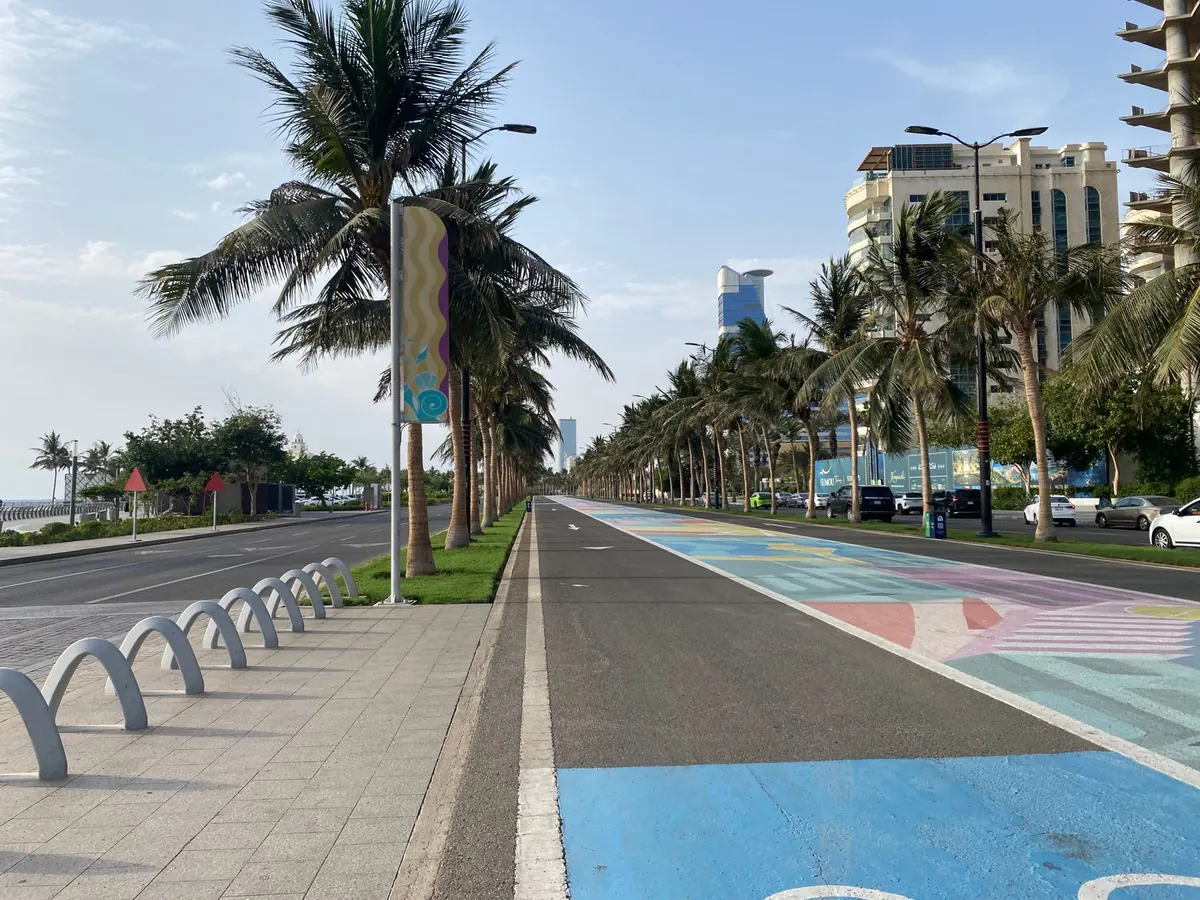
Seaside towns are generous with views and stingy with parking. That is the trade-off, and it catches out first-time visitors almost every time. The good news is that arriving at Terrazza Del Porto is simple once you know which side of the harbour to aim for, where to leave the car, and how long the walk actually takes. Ten minutes of planning before you set off saves you the circling, the guesswork and the slightly tense conversation that tends to happen when a table is booked for half past eight and the car is still moving.
This guide covers the whole approach: what to check before leaving, how to drive in without breaking a traffic rule, where to park, and how to walk the last stretch so you arrive relaxed rather than ruffled.
Before You Set Off
Confirm the address and the entrance on your booking confirmation, then look at it on a map before you get in the car. Harbourfront restaurants often have a landward side and a seaward side, and the seaward entrance may be steps only. If anyone in your group uses a wheelchair, a pushchair or simply prefers to avoid stairs, ask which entrance is step-free when you book. It is a two-minute question now and a twenty-minute problem later.
Two things are worth checking on the day itself. First, whether there is a market, festival or regatta closing the harbour road in the evening — in a port town these are common in summer and can turn a five-minute drive into a detour. Second, whether the old town has a limited traffic zone, usually signed ZTL, with cameras that record your number plate as you cross the boundary. If you see the sign and you are not certain your destination sits outside it, park first and walk. Fines arrive by post weeks later and are a poor souvenir.
Give yourself more time than the map suggests. In July and August, the last kilometre along the water can take as long as the previous twenty.
Driving In: The Approach That Works
Follow signs for the port rather than the historic centre. Town-centre signs tend to funnel you uphill into narrow one-way streets, while porto signs bring you down to the water where the restaurants are. Once you are on the harbour road, keep in the right-hand lane and drive slowly — quays are shared space, and someone will always step backwards into the road to photograph a boat.
If you are dropping off passengers before parking, pull into a loading bay or a marked short-stay space, put your hazard lights on and keep the engine running while people get out. Then go and park properly. Never leave the car on the quay edge or on a yellow-marked bay; those are for deliveries, fishing boats and emergency access, and they are enforced with real enthusiasm in season.
Parking Options Around the Harbour
Parking in an Italian seaside town comes in a few recognisable flavours, and knowing the colour coding saves a lot of confusion.
- Blue lines (paid street parking). Buy a ticket from the machine or a parking app and display it clearly on the dashboard. Some areas are free overnight, some are not — read the sign rather than assuming.
- White lines (free). Rare anywhere near the harbour, and usually taken by mid-morning. If you find one in high season, take it without debating.
- Private garages and hotel car parks. Often the calmest option for a dinner booking. Worth reserving by phone earlier in the day, especially at weekends.
- Peripheral lots and park-and-ride areas. Cheaper, larger, and usually a ten to fifteen minute walk from the water. On a warm evening this is not a hardship; it is part of the pleasure.
Whichever you choose, take a photo of the bay, the nearest street sign and the name of the car park on your phone. Harbour towns look remarkably similar after dark, and a photograph settles the argument about which turning you came from.
Leave nothing visible on the seats — bags, jackets, chargers, coins in the cup holder. Boot space is not a hiding place if someone watched you use it.
Walking the Last Stretch
Distances here are short. From the closest harbour parking to the terrace is typically a few minutes on foot; from the peripheral lots it is closer to fifteen. The logic below works from any of them.
- Head for the water. Every route in a port town resolves itself once you can see the boats.
- Follow the quay in the direction of the open sea, keeping the moored boats on one side and the buildings on the other.
- Where the waterfront road bends inland, look for a staircase or a stepped alley climbing between the buildings. This is usually the quickest line to the terrace level.
- Take the steps at an unhurried pace. They are often worn smooth in the middle and uneven at the edges, and the light after sunset is softer than you expect.
Wear flat shoes. Cobbles, stone stairs and a sea damp in the air are a poor combination with heels, and the walk back to the car at the end of the evening is darker than the walk out.
Arriving by Train, Bus or Boat
If you are coming by train, the station in most coastal towns sits a fifteen to twenty-minute walk from the harbour, often along a promenade that makes the distance feel shorter than it is. Taxis cluster around arrivals but thin out quickly in the evening, so have a plan B — a local bus, or simply the walk.
Buses usually stop near the port area, and ferries and water taxis tend to dock within a few minutes of the restaurant. If you arrive by boat, ask the crew which landing point is closest and confirm the last return crossing before you sit down to dinner. Nothing spoils a long lunch like discovering the afternoon service left twenty minutes ago.
Small Tips That Make Arrival Easier
Book for slightly earlier than you want to eat if you are driving. A table at seven or half past gives you slack for parking and a slow walk, and the light on the water at that hour is better anyway. Arriving ten minutes before your reservation is ideal; arriving forty minutes early in high season leaves you hovering.
Keep a card or a little cash for parking machines that do not take notes, and remember that a sea breeze makes an evening feel cooler than the forecast suggests — a light layer is never wasted. If you are meeting others, agree on a landmark rather than an address: a fountain, a church step, the end of the quay. Groups that agree to meet "at the restaurant" tend to spend twenty minutes walking past each other.
If You Are Running Late
Call. A quick word to say you are circling for parking or ten minutes away protects your table far better than silence, and staff can usually hold it. Park in the first sensible space you find rather than hunting for the perfect one, and take the two-minute longer walk. The evening starts when you sit down, not when you turn the engine off.
Photo: Deepak Kashyap / Pexels