Spring on the waterfront arrives quietly. One evening the air still smells of rain; the next it carries salt and something warmer underneath, and the tables outside stop being a gamble. At Terrazza Del Porto we watch that shift closely, because the kitchen shifts with it. Seafood does not have one long season. It moves in short chapters, and the difference between an April lunch and an August dinner comes down to texture, fat and sweetness as much as to which boat came in first. A spring bream and an August bream can be the same fish on paper, but by late summer it is leaner, cleaner on the palate, and better suited to the grill than to a slow bake.
This guide covers roughly March to September: what we look for at the market, how those choices reach the plate, and the small habits that make ordering go better. Read it before you book, or read it at the table with a glass of something cold while the sun drops behind the harbour wall. It is not a rulebook. It is more like a set of signals — the things a good fish kitchen notices before it writes the specials board.
Why the Calendar Is Only a Rough Guide
Seasonal seafood is not a switch that flips on the first of the month. Water temperature, currents, wind, spawning cycles and the sheer luck of the market all matter. The same week can look different from one year to the next: one April brings fat mackerel and cold rain, another brings early squid and a rush of wild greens. Fishermen talk about a season being late or early, and they are usually right. The calendar is a useful map, but the morning delivery is the actual road.
At Terrazza Del Porto we treat this guide as a direction rather than a rule. If a cold snap keeps the mackerel oily and strong, we grill it and serve it with something sharp. If a warm spell brings squid in early, we cook it fast and keep the plate simple. If the market is thin because of wind or a slow week, we would rather tell you than pretend. That honesty is part of the service, and it is why the best question at the table is not only “What is in season?” but “What is good today?”
Spring: Leaner Fish, Longer Evenings
After months of cold water, fish have had time to build up fat, which is why late-winter cooking tends to feel rich. As the sea warms, the catch slims down. Flesh turns sweeter and more delicate, and the best thing a kitchen can do is step back. A spring fish rarely needs much more than oil, salt, heat and a squeeze of lemon at the end. This is the season for restraint — for letting a fine bream taste of itself rather than of the pan.
In spring the market usually offers red mullet, gurnard, small bream and sea bass, mackerel with enough oil left for the grill, and the first clean, firm squid. Anchovies arrive in quantity — marinated one week, salted the next. Clams and mussels are good, spider crab is still worth ordering, and the vegetable side of the kitchen finally has something to work with: artichokes, peas, wild greens, the first broad beans. A spring lunch might begin with marinated anchovies and warm bread, move to grilled squid with peas and mint, and end with a whole bream for the table, served with lemon and good oil. Nothing on that table is complicated. Everything depends on timing.
Weather matters more than the calendar. A grey, windy April evening calls for a fish soup or grilled squid with warm beans. The first genuinely warm lunch of the year calls for crudo, a plate of marinated anchovies, something cold and green. Plan loosely. Spring rewards people who are willing to change their mind at the table.
When the market is uncertain, cook less. A good fish with oil, salt and heat beats a busy sauce almost every time.
How to Order in Spring
A few habits make a spring meal noticeably better, whether you are here for a quick lunch or a long dinner.
- Ask what came in today. The printed menu is a plan; the morning’s delivery is the reality. Any good seafood kitchen will happily tell you which dish is at its best right now — and which one is not.
- Start with the small fish. Marinated anchovies, fried sardines, a few clams with white wine. These are the most direct way to taste the season, and they set the tone for everything after.
- Order whole fish for the table. A bream or bass of a decent size, grilled and served with lemon and good oil, is more generous than four separate fillets. Ask for the weight before it goes on the fire so there are no surprises at the end.
- Let the weather choose the cooking. Cold and damp: soup, stew, braise. Warm and bright: raw, grilled, dressed with lemon.
- Drink something with acidity. Vermentino, Falanghina, a dry Riesling, or a light red served cool with grilled mackerel. Acidity keeps a long meal fresh as the plates get richer.
Summer: Faster Cooking, Sharper Flavours
By July the kitchen is working in two directions at once. Cooking gets faster — the grill does more of the work, the pans spend less time on the heat — and colder, with crudo, seafood salads and chilled starters. Tomatoes finally taste of something, basil comes in by the armful, and lemon and oregano do most of the seasoning. The food becomes more direct: a plate of prawns, a whole fish, a bowl of clams, a slice of lemon, a glass of something cold.
Summer brings tuna and amberjack, prawns and langoustines, squid and cuttlefish, sardines and anchovies by the box. Bream and bass stay on the list all season, but they are lighter now, and better grilled or steamed whole than served under a heavy sauce. If you see a plate of small fried fish, order it. It is a summer dish in the truest sense: three minutes in hot oil, a pinch of salt, and a table of people eating with their fingers.
One note on raw fish. If you order crudo or a salad with raw shellfish, ask whether the fish has been frozen to the temperature required for raw consumption. Commercial kitchens are expected to manage this, and no good restaurant minds the question. If you have a condition that makes raw seafood a risk — pregnancy, a weakened immune system, anything your doctor has flagged — choose something grilled instead and take their advice over any menu.
A Summer Table, Built in Courses
Summer menus work best when they are built in layers rather than ordered as a series of heavy plates. The aim is a table that stays cold, bright and easy to share.
- Open cold and small. Start with marinated anchovies, a crudo, or chilled prawns with lemon. Keep the first course light so the rest of the meal has room to breathe.
- Put one grilled fish at the centre. Choose a whole fish for the table and ask for it to be served off the bone if that makes sharing easier. A single large fish often eats better than several separate fillets.
- Add vegetables that can take the heat. Grilled peppers, tomatoes with oregano, beans with good oil, or a simple green salad. In summer the vegetables are not a garnish; they are half the meal.
- Finish with something sharp. Lemon sorbet, a plate of fruit, or a small glass of something cold and clean. The point is to leave the table feeling refreshed rather than weighed down.
For a table of six, two whole fish of different sizes, a plate of prawns, a bowl of clams and two vegetable dishes will usually feel more generous than six individual mains. It also makes the table look like a summer table should: crowded, bright, and slightly messy by the end.
Reading a Summer Menu Without Guessing
Judge the fish, not the description
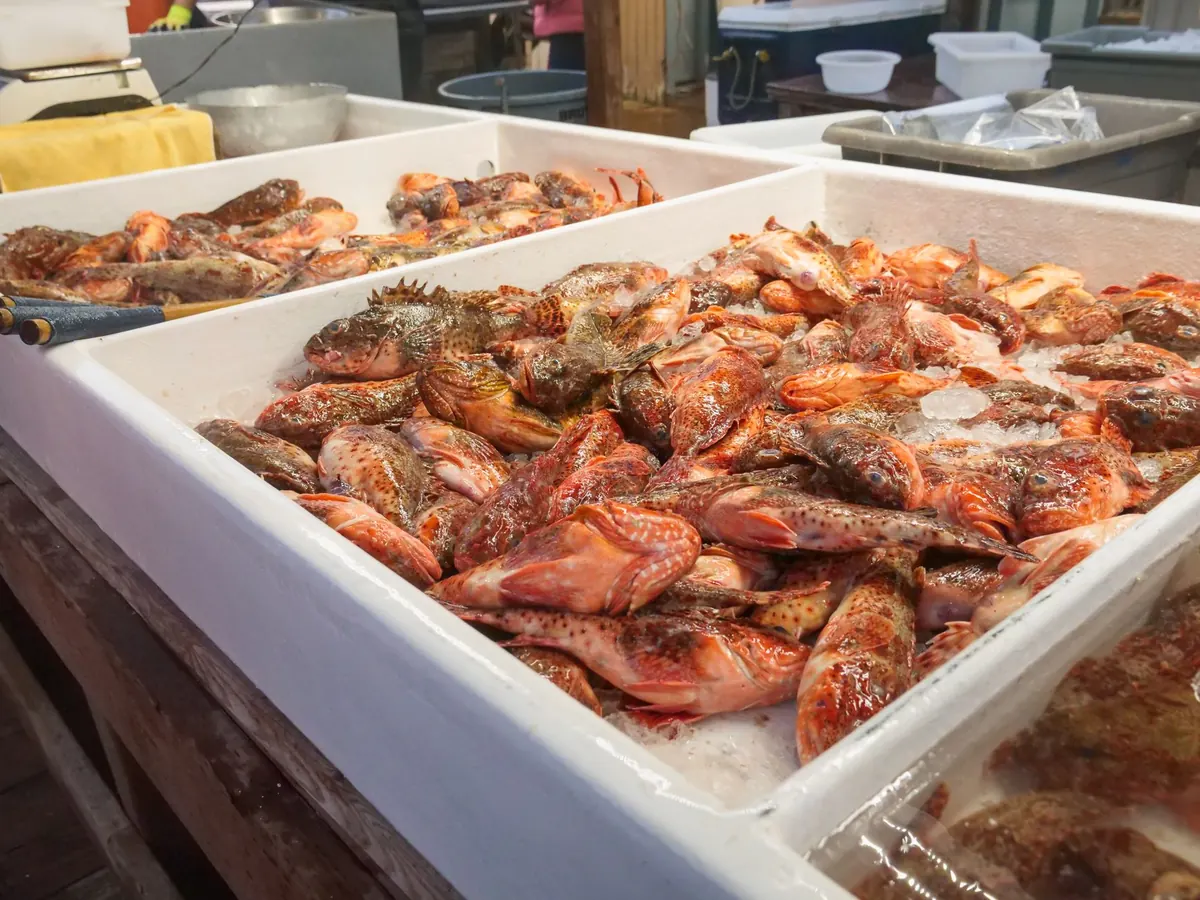
Whole fish should have clear eyes, firm flesh and gills that still look red rather than brown. It should smell of the sea, not of ammonia. A good kitchen checks all of this long before the plate reaches you, but it costs nothing to look.
Ask about weight and method
Most whole fish is sold by weight, and a large fish and a small one are genuinely different orders. Ask for the weight, ask whether it will be grilled or baked, and ask for it to be served off the bone if you would rather not deal with it at the table. A 600g bream is a generous single portion; a 1.2kg fish is something to share. If the kitchen seems annoyed by the question, that tells you something too.
Trust the short list
In summer, the best dishes are often the ones described in the fewest words: grilled squid, fried sardines, clams with white wine, tomatoes with oregano. A long list of ingredients can hide a tired fish. A short list usually means the kitchen knows exactly what it is doing and does not want to get in the way.
By September the light has changed again, the evenings come earlier, and the kitchen begins to move back toward warmer cooking. Until then, the advice stays the same: ask what is good, order the simple things, and let the weather have the final word.
Photo: Kindel Media / Pexels