Two celebrations can share the same sea view at Terrazza Del Porto and still ask completely different things of the room, the kitchen, and the evening itself. A wedding tends to be a full, layered production: ceremony, aperitivo, dinner, speeches, dancing, perhaps a late-night slice of cake. A rehearsal dinner is usually smaller and softer, a chance to thank the people who helped you get there and to welcome guests who have traveled. Both can be beautiful here. The mistake is treating one like a smaller version of the other.
This comparison is meant to help you choose the right format, or use both formats well if you are planning a wedding weekend. The right answer depends less on tradition than on your guest list, your appetite for logistics, and the feeling you want people to carry home.
Start With the Role Each Event Plays
A rehearsal dinner has a clear emotional job: it slows the weekend down. It gives immediate family, the wedding party, and often out-of-town guests a chance to talk properly before the bigger day. The tone can be warm and informal, with fewer formalities and more room for long conversations. You might include a short welcome from the couple, a thank-you to parents or friends, and a few relaxed speeches. The evening should end early enough that everyone leaves calm rather than wrung out.
A wedding carries the main event. It usually includes a ceremony, a reception with a more structured timeline, and a guest list that may stretch across different groups—family, friends, colleagues, neighbors. The venue has to support arrivals, photographs, aperitivo, dinner, entertainment, and the quiet logistics that guests never notice. If the rehearsal dinner is about closeness, the wedding is about occasion. That distinction should guide every other decision.
Space Needs: An Intimate Footprint or a Full Flow
Rehearsal dinner
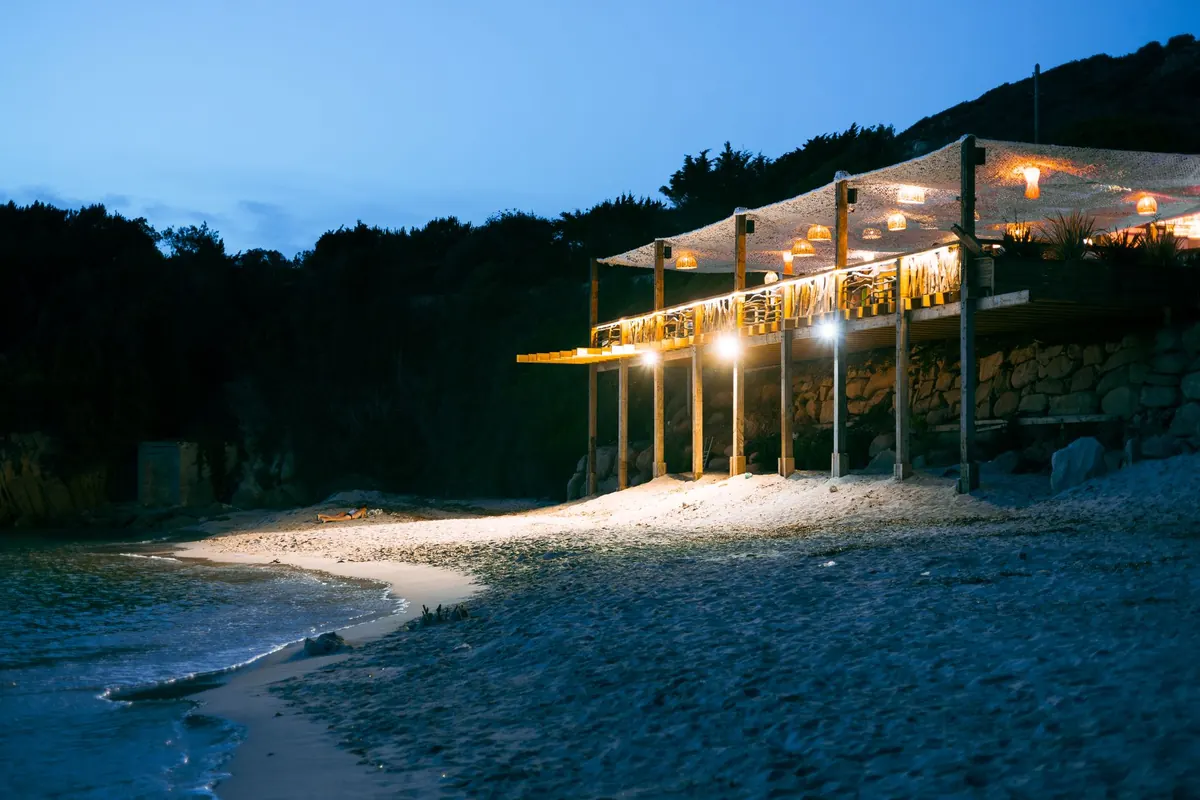
A rehearsal dinner at Terrazza Del Porto works best when it feels contained. You want one clear space for drinks and one for dinner, or a single terrace that can shift from aperitivo to seating without moving guests far. Long tables encourage conversation; round tables support smaller groups. Ask how the space feels with your expected number seated, and whether a weather backup is included in the plan. A sea-facing terrace is wonderful in good weather, but wind, heat, and rain need a practical answer, not a hopeful one.
Because the guest list is smaller, you can be more flexible about layout. You might use the terrace for a standing welcome, then sit down for a family-style meal. You might keep the bar area open after dinner for coffee and dessert rather than moving everyone again. The goal is a room that feels full and lively, not stretched.
Wedding
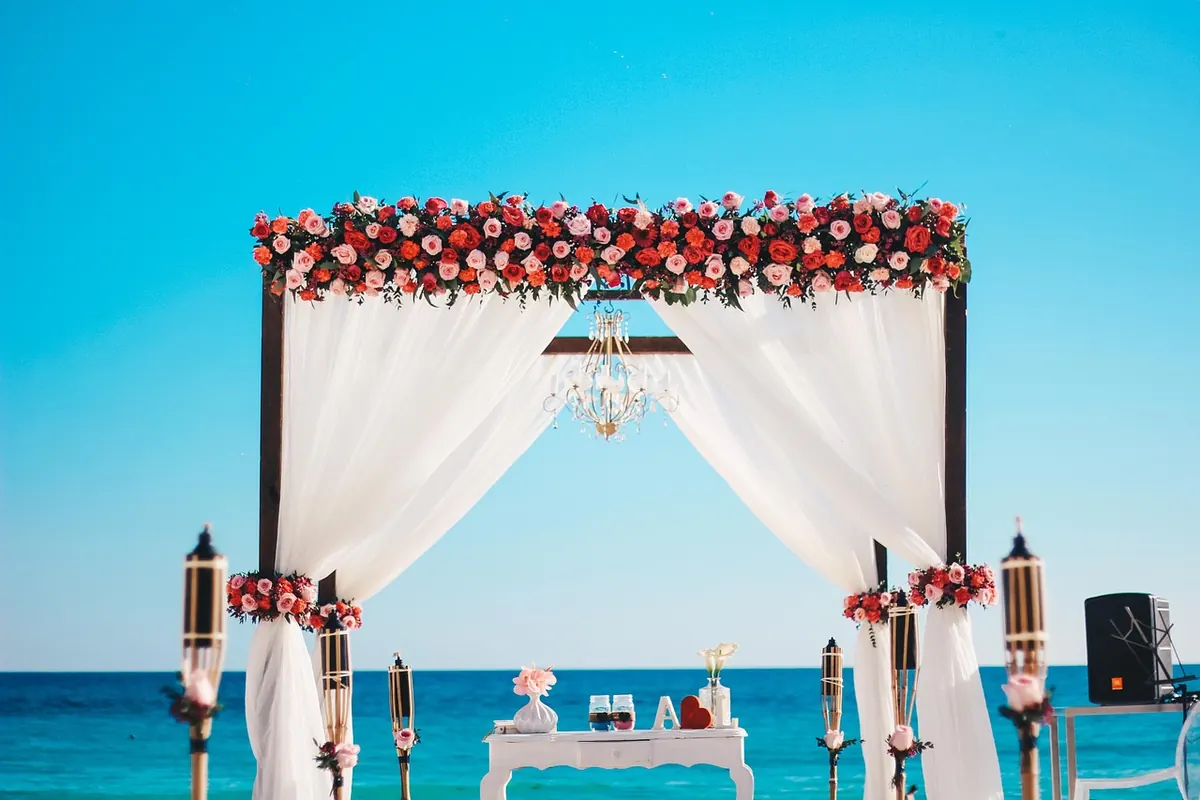
A wedding needs a sequence of spaces, even when those spaces are the same room used in different ways. Think through the ceremony setup, the aperitivo area, the dinner tables, the dance floor, and the vendor access points. At a seaside venue, also ask where photographers can work without blocking guests and where the band or DJ can set up without overwhelming conversation during dinner. If the ceremony and reception share a terrace, ask how the flip will happen and how long it takes.
Guest comfort matters more at a wedding because people stay longer. Shade, breeze, lighting, and a clear route to the restrooms all affect how the evening feels. Before you commit to a layout, ask for a site visit at the same time of day as your event. A terrace can feel entirely different at noon and at sunset.
Menu Style: Shared Abundance or Choreographed Courses
Rehearsal dinner
The menu can be generous without being formal. Family-style seafood, grilled vegetables, a pasta or rice dish, and a simple dessert suit the mood. Passed appetizers during the welcome hour keep people moving and talking. A short set menu with one or two alternatives is usually easier for the kitchen and for guests than a long list of choices. If you want a relaxed evening, resist the urge to add more courses just because the setting is special.
Wedding
A wedding menu tends to be more structured. You may want a tasting, a plated dinner, a clear vegetarian option, and a plan for allergies and dietary needs. If you are serving seafood by the sea, freshness and handling matter, and the venue should be able to explain how dishes are prepared and served. Build in time for speeches between courses, and decide early whether dessert is a plated course, a cake moment, or both. A menu that looks elegant on paper can still fail if it keeps guests seated too long without a break.
Timing: A Contained Evening or a Layered Day
A rehearsal dinner usually runs two and a half to three and a half hours. That is enough for a welcome drink, dinner, a few words, and coffee without turning into a late night. Start slightly earlier than you would for a Saturday party, especially if older relatives or children are attending. If guests are arriving from out of town, leave a buffer after hotel check-in so they are not rushing.
A wedding takes a longer arc. Ceremony, aperitivo, dinner, speeches, dancing, and farewells can easily fill five to seven hours, and the timeline needs breathing room. Sunset photos, a outfit change, or a live band can all shift the schedule. Ask the venue how access times work for florists, musicians, and photographers, and confirm when the music must end. A realistic timeline is kinder to everyone than a packed one.
Guest Experience: Conversation or Celebration
At a rehearsal dinner, guests should feel like they are in a comfortable room with people they will see again the next day. Seating matters: mix the wedding party with visiting family rather than creating a head table that separates the couple from everyone else. Speeches can be shorter and more personal. A welcome drink by the water sets the tone before anyone sits down.
At a wedding, the experience is broader. Guests need to know where to go, when to sit, and what happens next. A simple welcome sign, a clear seating plan, and a few well-timed announcements do more than extra decoration. The couple should also build in small pauses—a moment alone after the ceremony, a quiet drink before dinner—so the day does not become a series of obligations.
Practical Checks Before You Choose
Before you decide between a wedding and a rehearsal dinner at Terrazza Del Porto—or plan both—walk through the practical details with the venue. Use this list as your starting point:
- Confirm the guest count you are planning for and ask how the space feels with that number seated and standing.
- Ask for the wet-weather plan in writing, including who decides when to move indoors.
- Check access times for florists, musicians, photographers, and any rentals.
- Agree on the menu structure, dietary process, and how final numbers are handled.
- Map the timing for speeches, sunset, cake, and dancing before you book entertainment.
- Ask about sound limits and the latest end time for music.
- Decide whether the rehearsal dinner is for the wedding party only or for out-of-town guests as well.
- Name one person who will handle vendor questions on the day so the couple can be present.
If you are planning both events, treat them as two distinct evenings rather than one long warm-up. Give the rehearsal dinner its own mood, menu, and guest list. Then let the wedding be the bigger, brighter occasion it is meant to be. A site visit at the hour you plan to start will tell you more than any brochure: you will see the light, hear the room, and feel whether the format fits the people you want to gather.
Photo: jsalesphotoimg / Pixabay