There is a particular moment on a seaside terrace: the menu has just been set down, the water is doing its midday glitter, and a waiter is standing close enough to be a decision. Terrazza Del Porto's lunch card is longer than it first appears, and the difference between a good first lunch and a memorable one usually comes down to pacing — ordering across the sections rather than piling three heavy plates in front of yourself at one o'clock.
What follows is a plain reading of the menu, section by section, with the dishes that suit a first visit and the ones worth working up to. You do not need Italian to order well here. You only need to know what each part of the card is asking of you.
Read the Menu the Way the Kitchen Cooks It
Italian seaside menus are modular. Each section stands on its own, and nothing obliges you to take one from every heading. Two antipasti and a shared plate of pasta is a complete lunch. So is a single grilled fish with a bowl of potatoes. The mistake first-timers make is treating the card like a fixed three-course set menu and ordering a starter, a pasta and a main each — which is why so many terrace tables end up with half-eaten secondi going cold in the sun.
- Crudo. Raw fish, thinly sliced or diced, dressed with good oil, lemon or citrus. Small portions, high intensity. Order it to taste, not to fill up.
- Antipasti. The widest section: seafood salads, marinated anchovies, shellfish, fried small fish, grilled vegetables. Split roughly into cold and hot.
- Primi. Pasta and risotto. Ordered per person, and usually bigger than visitors expect.
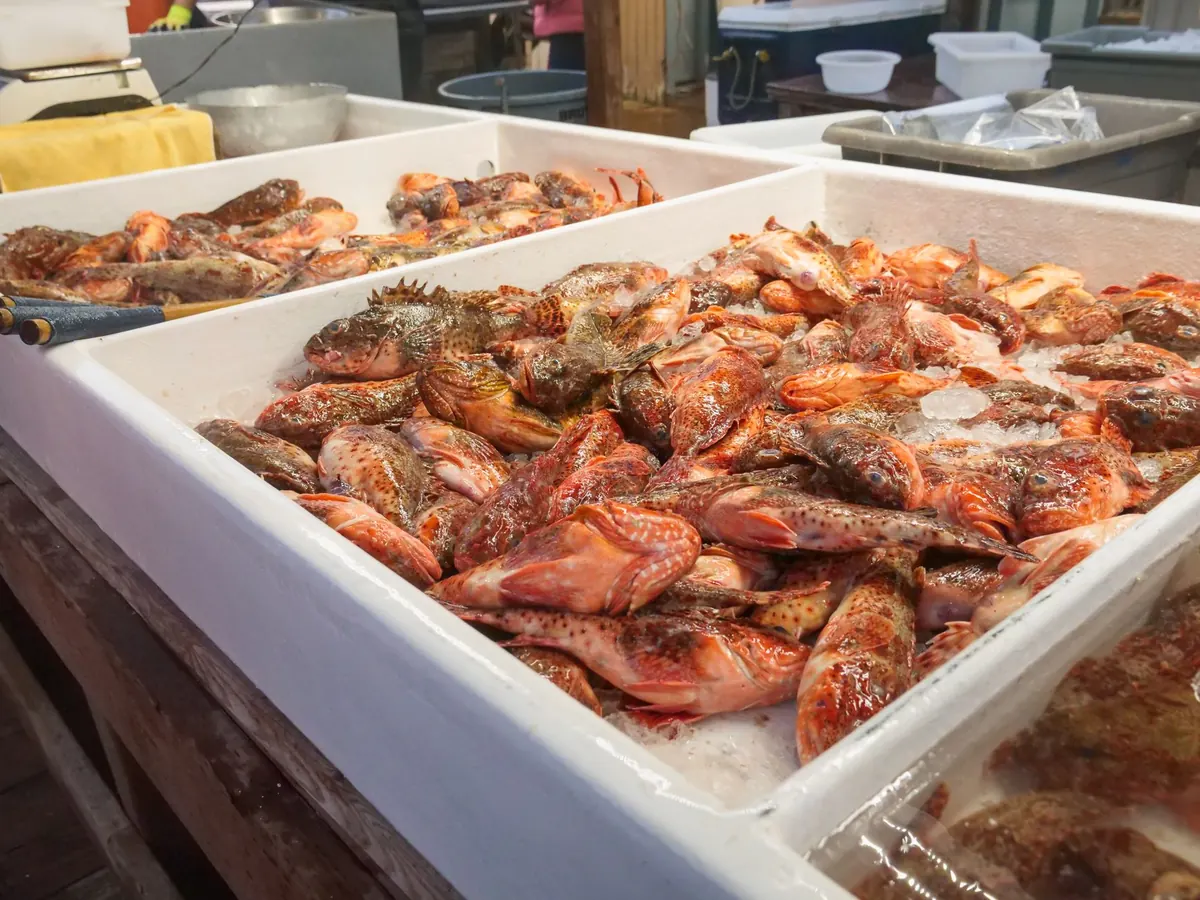
- Secondi. The heart of the meal — grilled or baked fish and shellfish. Whole fish is generally sold by weight.
- Contorni. Vegetables and potatoes, ordered separately. One or two will serve a table.
- Dolci. Desserts, then coffee. The kitchen will not rush you, and neither should you.
Start Cold, Start Small
Open with something from the antipasti list, and lean cold. A seafood salad, marinated anchovies, a plate of shellfish — these wake up an appetite rather than flattening it, which matters when there is a grilled fish still to come. For two people, one cold starter to share is right. For four, add a hot plate as well: fried small fish or mussels cooked in white wine are the kind of thing that disappear before the plate reaches the middle of the table.
If raw fish is new to you
Crudo is not plain sashimi. It arrives dressed, usually with oil and lemon, sometimes with a little salt or herbs, and the dressing softens the edge that people worry about. Ask what came in that morning and order a small portion of it rather than a selection — one very fresh fish, well handled, tells you more than four tired ones. Eat it first, before the bread and the fried things dull your palate.
If you are pregnant, immunocompromised, or managing a liver condition, ask your doctor about raw seafood before you order it. That is a conversation for a professional, not for a waiter.
Primi Are Bigger Than You Think
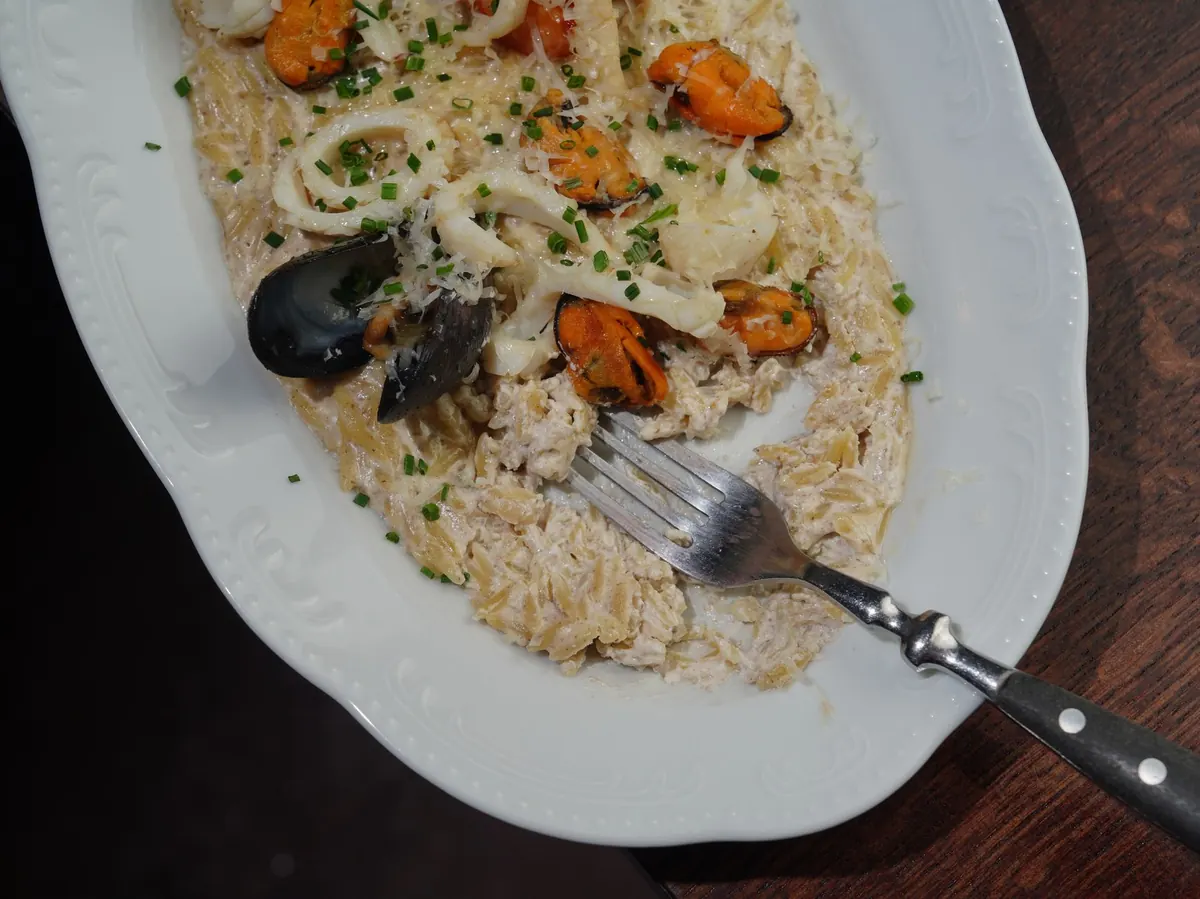
Pasta with clams, seafood risotto, a long pasta with shellfish — this is the section that most often overfills a lunch table. Portions are generous, and a plate of pasta here is a course, not a garnish. Unless you have skipped the starters entirely, order one primo for two people and let the kitchen divide it. Most will do it without being asked twice, and it costs nothing to ask.
Two practical notes. First, risotto is often prepared for a minimum of two, so check before you fall in love with it. Second, pasta keeps cooking in a warm bowl — it arrives at its best and declines quickly, so start on it immediately rather than waiting for everyone else's plate to land.
The Secondi Decision: Whole Fish or Fillets
Whole fish is the dish to order on a first visit, and it is also the one most people hesitate over. It comes to the table grilled, head and tail on, dressed with olive oil and lemon — nothing else needed. If the bones bother you, ask for it to be filleted in the kitchen or at the table. That request is entirely normal.
Fillets, squid and prawns are the easier route if you want to eat with one hand and keep the other on a glass. Grilled squid is forgiving, and prawns off the grill are hard to get wrong. Whatever you choose, keep the rest of the table light: one or two contorni of grilled vegetables or potatoes, and nothing else.
Two questions worth asking before the fish goes on the grill
How much does it weigh? Whole fish is sold by weight, so the final bill depends on the fish you point at. Ask for the weight before it is cooked and, if you want to be certain, the price per kilo. A good restaurant answers this without flinching.
What came in this morning? The answer will tell you what to order. A fish that arrived hours ago, cooked simply, beats a fancier preparation built around something that has been sitting on ice since Tuesday.
A First-Timer's Lunch, Course by Course
For two people, this is the shape that works: filling without leaving you unable to walk back along the waterfront.
- One cold antipasto to share. Seafood salad or marinated anchovies. Add a hot plate only if you are four or more.
- One crudo, if you are curious. Small, shared, eaten first. Skip it without guilt if raw fish is not your thing.
- One primo between two. Pasta with clams is the safe, excellent choice; risotto if the table agrees on it.
- One whole fish for two. Ask the weight, ask for it grilled simply, ask for it deboned if you prefer.
- One or two contorni. Grilled vegetables, potatoes, a green salad. Order them with the fish, not after it.
- Coffee, and one dessert between two. Something with lemon is usually the right answer at lunch.
Adjust from there. If you plan to swim afterwards, cut the primo and let the fish carry the meal. If the terrace is your whole afternoon and the sun is not going anywhere, add the hot antipasto at the start and a second contorno at the end.
What to Drink With an Afternoon Still Ahead
Lunch by the sea rewards restraint. A local white by the glass, still or sparkling water alongside it, and you will be pleasant company at four o'clock. Ask what is open by the glass rather than committing to a bottle; coastal whites are usually served young and cold, and the house pour is often the most sensible thing on the list. Coffee comes after the fish, not with it. If you want a digestivo, save it for the evening.
Before You Order: A Few Habits Worth Keeping
Book the earlier seating if you can. Terraces fill quickly after one o'clock, and the first hour is calmer, cooler and better for a table that wants to talk. Tell the waiter up front if you are sharing courses — it changes how the kitchen plates and sequences the food. Mention allergies before anything is ordered, especially shellfish. And if the fish looks too big for the table, say so; asking for a smaller one is a perfectly ordinary conversation here, and the kitchen would rather send you a fish you finish.
One last thing: leave a little room in the plan. The best first lunch at a seaside restaurant is rarely the one ordered precisely in advance — it is the one where you taste something, like it, and ask for another plate of it. The menu is a map, not a contract.
Photo: Nadin Sh / Pexels