Most disappointing seaside dinners do not begin at the table. They begin three weeks earlier, in a booking form filled in on a phone while walking to a meeting. A digit slips. A note goes unread. A terrace is requested but never confirmed. By the time everyone sits down, the evening has already been shaped by a small error nobody remembers making.
The good news is that these mistakes are boringly predictable, which means they are also easy to prevent. What follows are the ones we see most often at waterfront tables, and the practical fixes for each.
Booking the wrong date, day or month
This is the most common error of all, and the least dramatic to fix. A guest books Friday the 12th for a dinner planned for Saturday the 13th. Someone selects June when they meant July. A visitor arriving on a long flight books the night they land rather than the night after, forgetting that a plane and a restaurant are two very different experiences for the same tired body.
Read the confirmation email properly. Not skimmed on a phone screen in a lift, but opened and read: the day name as well as the number, the month spelled out, the time written in full. If you booked by phone and said "next Saturday", check which Saturday the restaurant wrote down. Days and dates drift apart more often than anyone expects, and a booking for the wrong week is rarely recoverable on a summer evening.
Then put it in a calendar you actually look at, and keep the reference number somewhere you can find it. If the confirmation arrives with the word "request" anywhere on it, treat the table as unconfirmed until you have a reply from a person.
Treating arrival time as a suggestion
Seaside restaurants keep a different clock from city ones. Tables facing the water are usually booked in two or three tight bands, and the first is timed around the light. Arriving twenty minutes late does not simply delay your starters; it presses your table against the next seating, and the table with the view is often the first one reassigned when staff need to rebalance the room.
The journey is where the trouble hides. Harbour parking in high season, one road in and one road out, a ferry that runs when it runs, a beach walk that looked much shorter on the map. Add half an hour to whatever the route planner suggests, and if you are driving, decide where you will park before you leave rather than circling while your table sits empty.
If you are running late anyway
Call from the car. The difference between a table held and a table given away is usually that one call, made ten minutes before the booking rather than twenty minutes after it. Say how late you expect to be, and ask what the restaurant would prefer: hold the table, move you to a later slot, or switch you to an indoor table that is easier to re-set. Restaurants forgive lateness far more readily than silence.
Booking a terrace seat with no weather plan
The terrace is the reason you chose the place, and also the reason the evening can go sideways. A sea breeze becomes wind by eight o'clock. A clear afternoon turns into a squall. An awning that seemed generous at midday turns into a greenhouse at five. None of this is unusual at the coast; it is the coast doing what it does.
So ask two questions when you book: is the terrace covered, and if the weather turns, do I keep my booking indoors? Those are different promises. Some rooms can move every terrace guest inside; others cannot, and the difference is worth knowing before you have ordered a taxi.
We would love the terrace, but we would rather have dinner indoors than no dinner at all. If the weather turns, can we be moved inside and keep the reservation?
Then check the forecast the day before, and again on the morning. If the wind is up, call and ask which table type you hold rather than arriving to negotiate in a doorway with wet shoes. Guests who volunteer flexibility tend to get looked after better than guests who arrive expecting the evening they pictured in March.
Assuming "seaside" means the table you imagined
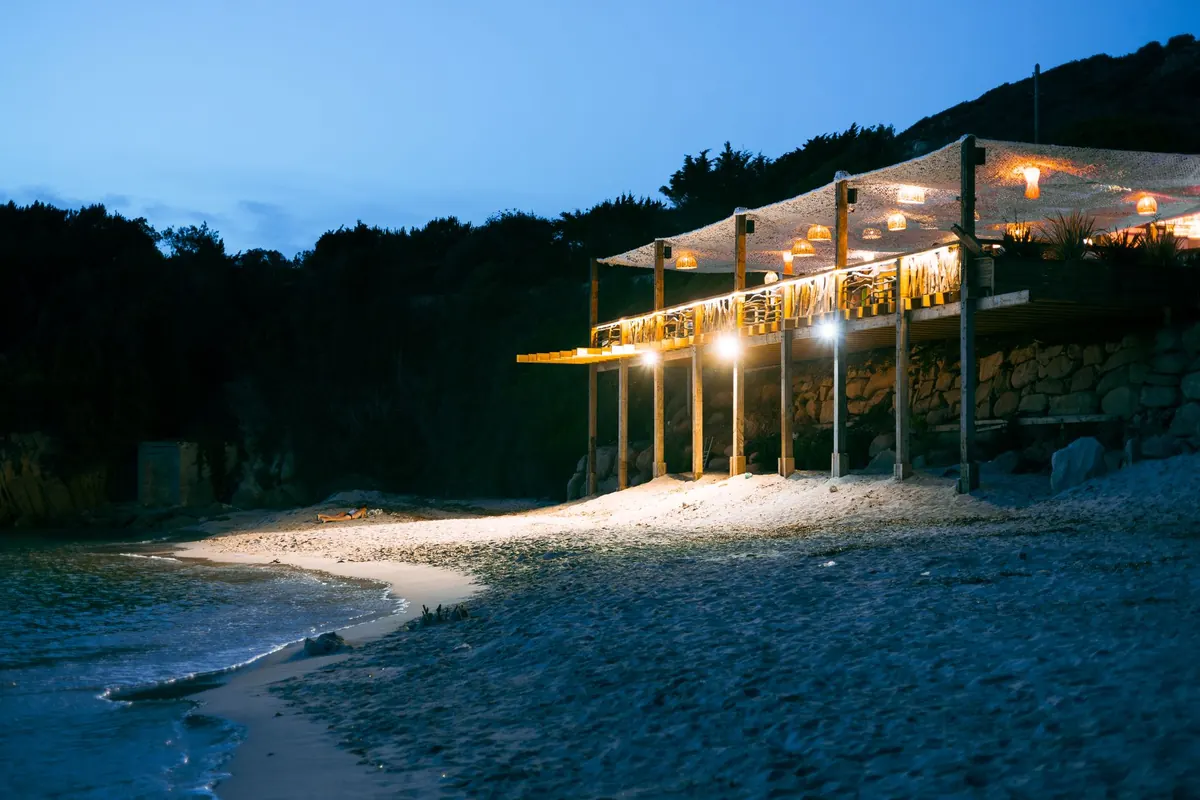
Seaside is not one table. There is the front row with nothing between you and the water, the covered edge of the terrace, the corner near the bar with a slice of a view, and the table inside where you see the sea through a window and a steady stream of people walking past it. All of them can be lovely. Only one of them is what you were picturing.
If the view matters, say so plainly when you book and ask what the restaurant can promise rather than what it can attempt. Most will be honest: front-row tables are usually allocated by booking order and party size, and they cannot be held indefinitely for an arrival that has not happened. If you want any flexibility, take the first seating rather than the last.
Getting the party size wrong
Restaurants staff and buy for the number in the booking. Turning four into five on a Saturday in August is not a small change; it can mean an extra chair wedged into a corner, or a table that no longer fits the room. Tell the restaurant at the time of booking if there will be a high chair, a pram, or a guest who will only pick at a plate.
The same applies in reverse. If one of your party drops out, say so. A table for five reset as a table for four is a relief to a busy room, and it earns you goodwill that shows up later in the evening. And if the whole plan collapses, call to cancel. A no-show costs a restaurant a table it could have filled; a phone call costs you two minutes.
Leaving important requests in a comment box
Booking forms invite notes, and guests reasonably assume those notes travel to the person setting the tables. Sometimes they do, sometimes they are read at the start of service along with forty others. A comment box is not a conversation. Anything that genuinely matters should be confirmed by a human being — by reply, or by phone.
Worth confirming directly rather than typing into a field:
- Allergies or dietary needs, phrased clearly and repeated on arrival.
- Step-free access, wheelchair space, or anything that affects how you reach the table.
- A celebration you want acknowledged — and whether you want it acknowledged quietly.
- Timing constraints, such as a ferry, train or babysitter waiting at the other end.
- Whether your booking is confirmed or merely requested.
One more thing: booking through a third-party site is not always the same as booking with the restaurant. Rates, availability and note-taking can differ. For a meal that matters, a phone call or a direct booking on the restaurant's own site is usually the safer route.
A five-minute check before you go
None of this requires effort beyond a short pause the day before. Run through the list, fix what is wrong, and then forget about it until you are on your way.
- Open the confirmation and read the day, date, month, time and party size out loud.
- Save the restaurant's number and address; check the parking or the walk from the station.
- Look at the forecast and ask whether your table is terrace, covered terrace or indoors.
- Call about anything that matters: allergies, access, a celebration, a tight onward journey.
- Leave twenty-five minutes earlier than the route planner suggests.
- If plans change, call the restaurant rather than staying quiet.
Do that, and the most memorable part of the evening will be the light on the water rather than the phone call you had to make from a car park. The table is only the beginning of the night, but it is the part you can actually control — so control it, then let the sea do the rest.
Photo: Pixabay / Pexels