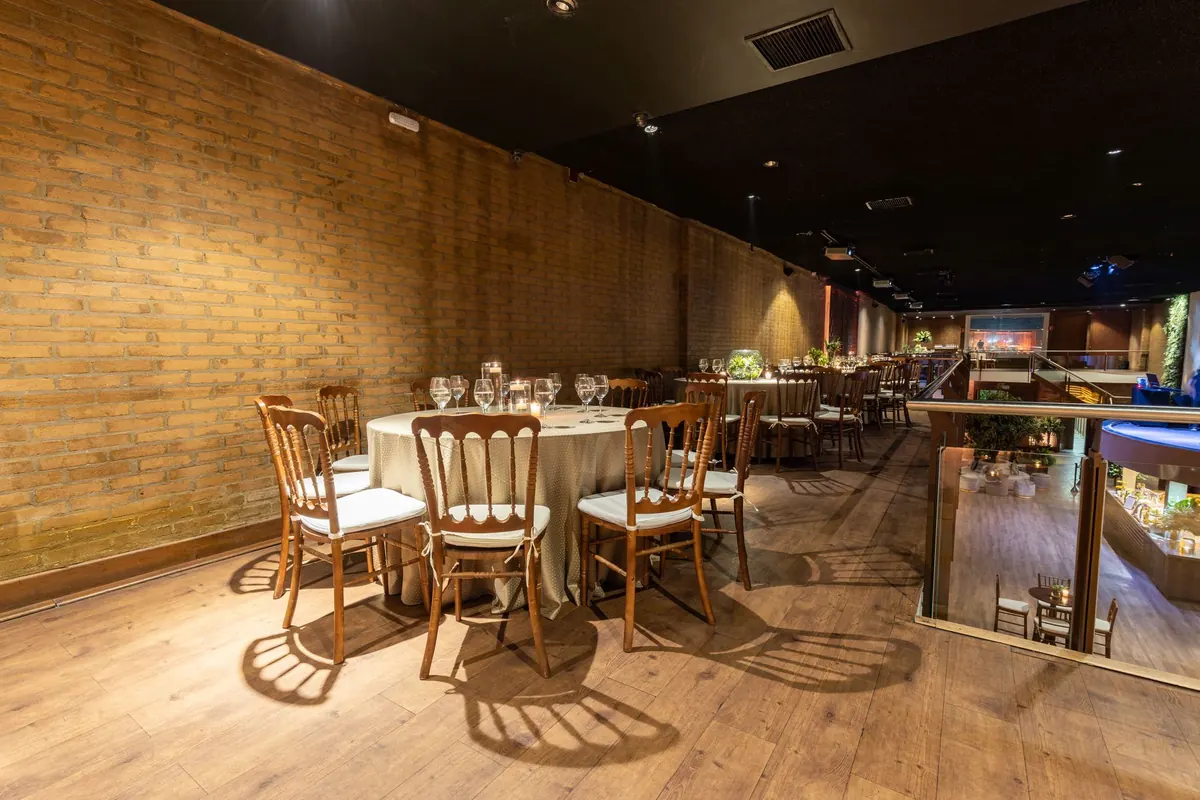
Planning a Private Event at Terrazza Del Porto: Step-by-Step
A private event by the sea should feel easy to guests. The work behind that ease starts weeks earlier: a clear brief, a menu that balances coastal character with dietary needs, and a timeline that leaves room for the unexpected. Terrazza Del Porto gives you the setting—the water, the light, the terrace—but the event itself is built through a sequence of small, deliberate decisions. Treat the planning as a series of steps, and the result will feel less like logistics and more like hospitality.
Step 1: Define the Occasion and the Guest Experience
Before you choose a single dish or discuss seating, write a one-sentence brief that describes what the event should feel like. For example: “A relaxed sunset rehearsal dinner for thirty guests, with a short welcome, a seated seafood dinner, and no formal speeches beyond two toasts.” That sentence becomes a filter for every later decision. If a proposed detail does not support the brief, it is probably not necessary.
Ask yourself three questions: Who is the event really for? What should guests remember most? What would make the event feel complicated rather than generous? At Terrazza Del Porto, the answer often involves leaning into the setting—the sea air, the view, the natural transition from daylight to evening—rather than competing with it through elaborate decor or a crowded program.
Build the guest list early
Guest count affects menu, seating, rentals, staffing, and budget. Build the list early, even if it is not final, and separate it into confirmed guests, likely guests, and maybes. This will help you plan a realistic number without overcommitting. If children will attend, note their ages. If anyone has mobility needs, identify them before you plan the layout. If there are dietary restrictions, start a list immediately rather than collecting them in the final week.
- Occasion: Is this a celebration, a corporate dinner, a rehearsal event, or a family gathering?
- Mood: Do you want formal, relaxed, romantic, lively, or intimate?
- Guest profile: Are there children, older guests, VIPs, or people with specific access needs?
- Must-haves: What two or three details would make the event feel complete?
- Non-negotiables: What should the event avoid—long speeches, loud music, late hours, or a rigid seating plan?
Step 2: Set the Budget and the Decision-Making Team
A budget is not a restriction; it is a decision-making tool. Set a total figure, then divide it into categories: venue, food, beverage, rentals, entertainment, photography, flowers, staffing, transportation, and contingency. Keep a contingency of at least ten percent for weather adjustments, extra guests, or last-minute rentals. Terrazza Del Porto may already include some items—tables, chairs, service staff, or a basic layout—so confirm what is included before you price outside vendors.
Also decide who makes the final call. A private event moves fastest when one person is responsible for approvals and one person handles the details on the day. If a family member or colleague wants to be involved, give them a specific role—music, welcome drinks, guest list—rather than asking them to approve everything. Clear roles prevent polite confusion from becoming last-minute stress.
- Venue and service: Confirm minimum spend, service charges, and included staff.
- Food and beverage: Set a per-person target before tasting menus.
- Rentals and decor: Decide what the terrace already provides and what it does not.
- Contingency: Protect the event from small surprises with a reserved buffer.
Step 3: Choose the Date, Time, and Natural Flow
At a seaside venue, time of day is part of the design. A late-afternoon start can give guests an aperitivo in the light and dinner as the sun begins to lower; an evening start may place more emphasis on lighting and music. Ask Terrazza Del Porto about sunset timing, nearby noise restrictions, and whether the terrace is shared or private during your window. These details shape the guest experience more than most people expect.
Build the event as a simple flow: arrival, welcome, main moment, meal, toast or brief program, and a gentle close. Avoid stacking too many moments back-to-back. Guests need time to settle, find their seats, and talk. A good run-of-show has breathing room built into it.
- Arrival: Welcome drinks and a clear greeting point.
- Opening: A short welcome or aperitivo moment.
- Dinner: Seated service with a relaxed pace.
- Program: Toasts, remarks, or a brief activity—keep it tight.
- Close: Dessert, coffee, and a simple farewell plan.
Step 4: Design the Menu and Beverage Plan
The menu should feel connected to the place without making service difficult. At Terrazza Del Porto, that often means fresh seafood, bright vegetables, and dishes that can be served without long delays. A menu that looks beautiful on paper but requires every plate to be finished at the same second can undermine the relaxed atmosphere you are trying to create. Ask the kitchen what it does best for your guest count and format.
Collect dietary needs early and organize them by course. Do not treat vegetarian, vegan, gluten-free, or allergy requests as an afterthought; make them part of the tasting and the final count. For beverages, a simple welcome drink, wine with dinner, and a non-alcoholic option is often enough. If you want a signature cocktail, choose one that can be prepared quickly or batched in advance.
- Format: Plated dinner, family-style, buffet, or passed bites.
- Balance: Include lighter options and one or two generous anchor dishes.
- Dietary needs: Confirm allergens and prep methods, not just ingredient lists.
- Beverage: Pair wine with the menu and offer a clear non-alcoholic choice.
- Service: Ask how many staff will be on hand and how courses will be timed.
A good event menu does not show how much the host knows. It shows how well the host has thought about the guests.
Step 5: Plan the Layout, Lighting, and Weather Backup
Terrace events are deeply affected by layout. Before you finalize decor, ask for a simple floor plan: where guests arrive, where drinks are served, where dinner tables sit, where staff move, and where the view remains unobstructed. Leave clear paths for service and for guests who may need to move easily. If the event includes a standing reception, provide enough small tables and seats for guests who cannot stand for long periods.
Lighting matters as the evening changes. Confirm whether Terrazza Del Porto provides ambient lighting, candles, or heaters, and ask who is responsible for setting them up. Have a weather plan that is more specific than “we will move inside.” Decide in advance who makes the call, at what time, and how guests will be told. A light rain plan may mean umbrellas and covered areas; a strong wind plan may mean moving flowers, menus, and glassware.
- Flow: Keep the welcome area separate from dinner seating.
- View: Avoid blocking the terrace’s best sightlines with tall centerpieces.
- Comfort: Consider shade, heaters, insects, and sound levels.
- Weather: Name a decision time and a backup layout.
Step 6: Confirm Vendors, Rentals, and Venue Logistics
Once the brief, budget, guest count, and menu direction are clear, confirm the practical details in writing. Ask Terrazza Del Porto about load-in times, vendor access, electricity, storage, parking, and cleanup. If you are using a photographer, musician, florist, or rental company, give them a single point of contact and a clear arrival window. Vendors who arrive without a contact or a schedule create avoidable friction.
- Confirm the final guest count and dietary list.
- Approve the floor plan and weather backup.
- Confirm rental delivery, setup, and pickup times.
- Share vendor access details and contact names.
- Review service timing and staff responsibilities.
- Collect certificates of insurance if the venue requires them.
Step 7: Build a Run-of-Show and Communication Plan
A run-of-show is a one-page timeline that tells everyone what happens, when, and who is responsible. It should include vendor arrivals, guest arrival, welcome drinks, dinner service, speeches, cake or dessert, music changes, and the end of the event. Keep it realistic. If dinner begins at seven, do not schedule toasts at seven-fifteen unless the kitchen confirms that service can support it.
Share the run-of-show with the venue, key vendors, and anyone giving a toast. On the day itself, designate one person to communicate with the venue and one person to handle guest questions. The host should be free to greet guests, not to answer questions about where the extra chairs went.
- Primary contact: One person for the venue and vendors.
- Guest contact: One person for arrivals, seating, and questions.
- Toast timing: Give speakers a time limit and a cue.
- Music cues: Confirm when volume changes or live music begins.
- End time: Know when vendors leave and when guests should depart.
Step 8: Handle Final Details and Guest Communication
In the final week, send guests only what they need: time, location, parking or transport notes, dress code if relevant, and a clear arrival instruction. Keep the message simple. If the event is at Terrazza Del Porto, tell guests exactly where to enter and whether the terrace is reached by stairs, elevator, or a specific lobby. If weather may affect the plan, let guests know that the venue will make a final call and that they do not need to ask.
Finalize seating cards, place cards, and menus only after the dietary list is locked. Confirm final counts with the venue. Prepare a small emergency kit with stain remover, safety pins, scissors, tape, and a phone charger. These are not glamorous details, but they protect the atmosphere you have worked to create.
Extra Section: Common Pitfalls to Avoid
- Overprogramming: Too many speeches and activities leave no room for conversation.
- Ignoring the setting: Elaborate decor can compete with the sea view rather than complement it.
- Late dietary collection: Allergies and dietary needs should be confirmed early, not at the table.
- Unclear weather plan: A backup only works if someone knows when and how to activate it.
- Too many decision-makers: Assign one final approver and one day-of contact.
- Forgetting vendor logistics: Load-in times, parking, and setup access matter as much as the menu.
Extra Section: A Simple Day-Of Checklist
- Confirm the venue contact and arrival time.
- Check the weather and activate the backup plan if needed.
- Confirm vendor arrivals and setup progress.
- Review the floor plan, seating, and dietary cards.
- Test music, lighting, and microphone if speeches are planned.
- Place welcome drinks, menus, and place cards.
- Brief the host, speakers, and guest-contact person.
- Take a breath before guests arrive—the planning is done.
Planning a private event at Terrazza Del Porto is ultimately about protecting a feeling: the ease of a guest who arrives, sees the water, accepts a drink, and does not have to think about what happens next. That feeling is not accidental. It comes from a clear brief, a menu that fits the room and the people, a realistic timeline, and a team that knows who is responsible for each small detail. Do the steps in order, leave room for the unexpected, and let the terrace do what it does best.
Photo: Matheus Bertelli / Pexels